
understanding the behavioral drivers of spillover
Moving beyond static risk maps, I am using hierarchical modeling and biotelemetry to quantify the specific moments when spillover is most likely. My goal is to contribute to frameworks that capture transmission as a dynamic ecological process.
Animals move through landscapes, but not all movement carries equal risk. Rather than treating “presence” as a perfect proxy for exposure, I focus on behavior-specific contact processes for both direct and indirect pathways.
Using GPS, accelerometer, and camera trap data, I classify behavioral states like foraging, resting, and dispersal. This allows me to measure exposure risk based on activity rather than just location, moving the field from simple spatial overlap to quantifying functional contact.
Environments are not passive backgrounds. For pathogens like Anthrax or CWD prions, the landscape is an active pool of risk. I quantify exposure opportunity using spatiotemporal data on animal movement and land use features.
By integrating GPS tracking with landscape variables, I model where and when animals define their risk. This approach allows me to calculate the probability of contact with environmental reservoirs rather than just mapping where pathogens might exist.
Understanding mechanism is only useful if it informs intervention. I aim to develop reproducible frameworks that translate ecological complexity into operational surveillance tools.
By defining the behavioral gate of transmission, my work seeks to help agencies move from reactive case counting to targeted risk-based surveillance. This approach is designed to anticipate outbreaks before they expand, rather than just responding after they occur.
current disease systems
Ultimately, my work is designed for broader application. I am building tools to quantify exposure for multi-host pathogens like Leptospira and Q Fever. My goal is to create scalable methods that work for any system where host movement shapes contact with environmental reservoirs.
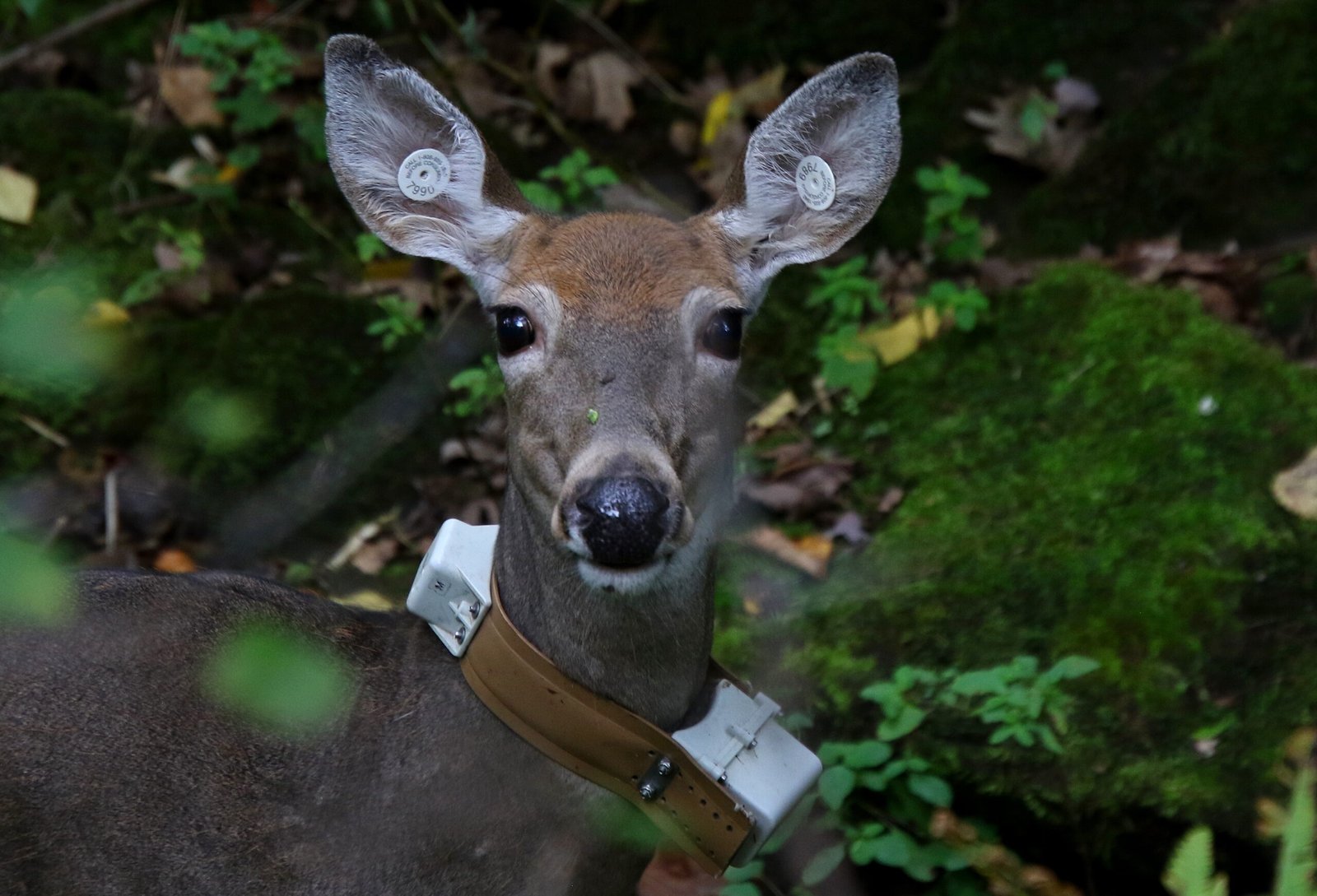
Currently, I apply these frameworks to white-tailed deer. This system offers a unique opportunity to decouple social and environmental risk.
Working with collaborators at CVASU and other local stakeholders, I study zoonotic spillover at the human-wildlife interface in Bangladesh. Similar to CWD, this system is driven by indirect environmental pathways where fruit bats contaminate date palm sap. I aim to demonstrate that quantifying behavioral drivers is critical for preventing outbreaks across different species and continents.
future directions: aligning with global one health
My goal is to translate mechanistic science into tools that support the prevent, detect, and respond cycle adopted by WHO, FAO, and WOAH.
Spillover by defining the specific landscape and behavioral drivers that unlock transmission risk.
Outbreaks earlier by replacing passive monitoring with targeted, behaviorally informed surveillance strategies.
Rapidly using validated risk maps that allow agencies to deploy interventions exactly where exposure is occurring.